

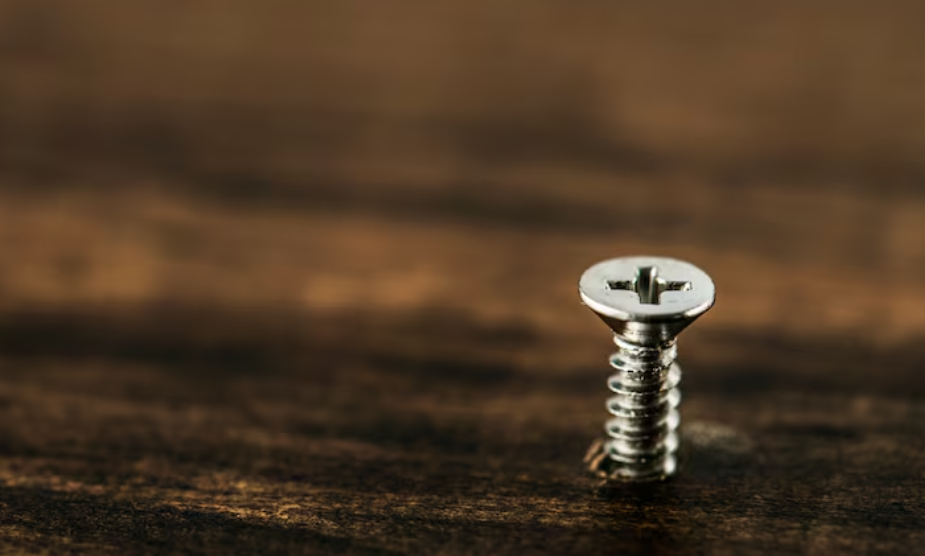
Working with metal requires choosing the right type of screws that can withstand pressure, vibration, and the density of the material. Unlike wood, metal does not compress around threads, making screw selection especially important for strength and stability. Understanding how screws behave in metal applications helps builders and fabricators achieve secure, long-lasting results.
Choosing Screws Based on Metal Type
Different metals require different screw characteristics. Aluminum, being softer, works well with fine-thread screws that prevent overcutting. Steel and stainless steel require stronger screws with hardened cores to handle density and resistance. Choosing screws that match the metal’s hardness prevents stripping, breakage, and poor thread formation.
Self-Tapping Screws for Metal Fabrication
Self-tapping screws are ideal for metal because they cut their own threads during installation. This reduces the need for tapping tools and speeds up assembly. These screws are commonly used in HVAC installation, sheet metal work, ducting, and automotive applications. Their specialized points and thread forms ensure smooth penetration without excessive force.
Self-Drilling Screws for Fast and Efficient Work
Self-drilling screws include built-in drill tips that allow them to pierce metal surfaces without pre-drilling. This makes them ideal for roofing panels, steel framing, and industrial assembly. Their design reduces installation time and minimizes tool changes, making them a favorite for high-volume production work and on-site construction tasks.
Thread Design for Metal Applications
Metalworking screws feature fine, sharp threads designed for precision and strength. These threads grip metal securely while minimizing material displacement. Fine threads are better for thin-gauge metal, while stronger, deeper threads are ideal for thicker steel. Matching thread type to metal thickness prevents stripping and improves load-bearing capability.
Preventing Stripping in Metal Fastening
Stripping occurs more easily in metal than in wood due to the material’s density. To prevent this, proper pilot hole sizing is essential when not using self-drilling screws. Using quality driver bits and applying steady torque also helps reduce slippage. Once stripped, metal holes are difficult to repair, making correct technique crucial for reliability.
Material Strength and Corrosion Resistance
Metalworking screws must withstand heavy loads and potential exposure to moisture, chemicals, or temperature changes. Stainless steel screws are ideal for corrosion-prone environments, while carbon steel screws offer superior strength in controlled indoor settings. Coatings such as zinc plating, galvanization, and ceramic finishes provide additional protection for long-term performance.
Choosing the Right Length for Metal Fastening
Because metal does not compress, screw length must be chosen carefully. Too short and the screw cannot anchor firmly; too long and it may protrude or interfere with internal components. For layered metal sheets, the screw must penetrate both layers fully to create a secure mechanical bond. Proper measurement is key for strong assembly.
Using Washers for Added Stability
Washers help distribute pressure and prevent metal deformation during fastening. They also enhance vibration resistance—particularly important in automotive, industrial, and mechanical applications. Using the correct washer type improves joint stability and protects the contact surface from damage.
Achieving Stronger Metal Fastening With the Right Screws
Selecting screws specifically designed for metalworking ensures secure fastening, prevents thread damage, and reduces the risk of long-term failure. By matching screw type to the metal, using proper tools, and choosing appropriate coatings, you can achieve durable and structurally sound results for any metalworking project.
 返回首頁
返回首頁 線上諮詢
線上諮詢 客服電話
客服電話